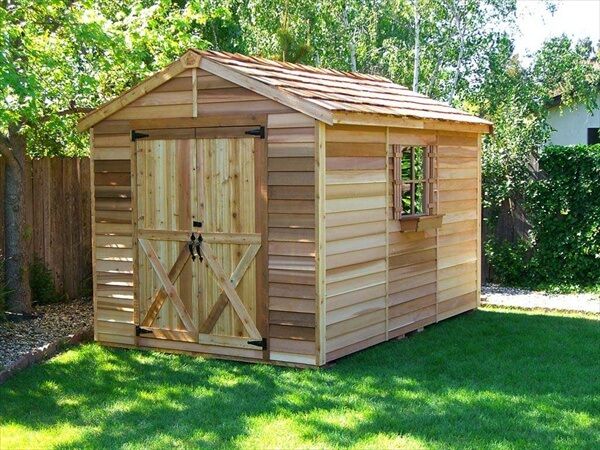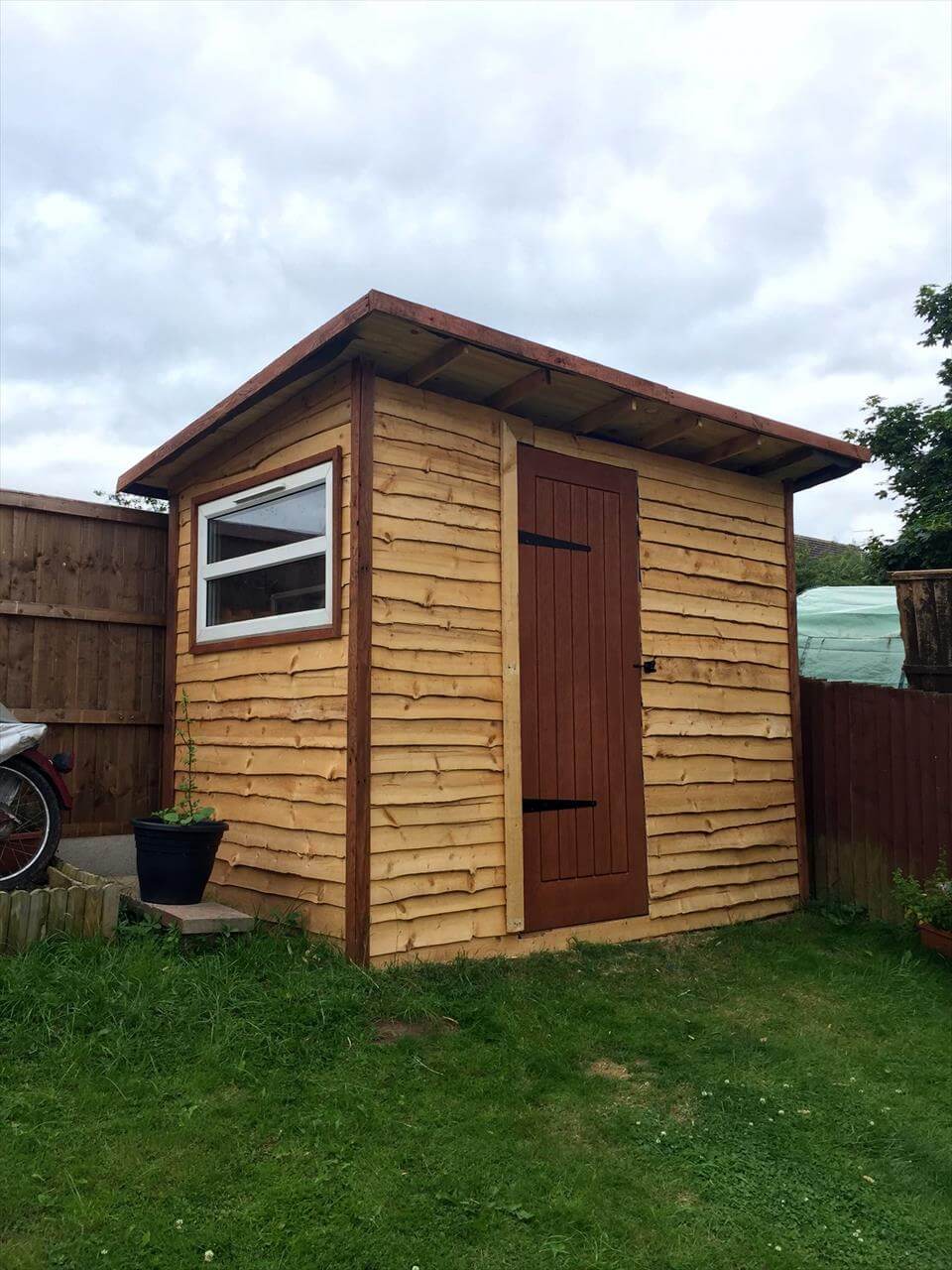
DIY loft shed for beginners step by step

Building Your Dream DIY Loft Shed: A Beginner's Guide

So, you're dreaming of a beautiful, functional shed â€" maybe for storage, a workshop, or even a cozy little getaway? But the thought of hiring a contractor feels… daunting. Don't worry, friend! Building a DIY loft shed is totally achievable, even if you're a complete beginner. This guide will walk you through every step, in a way that’s easy to understand and follow, even if your toolbox looks suspiciously empty right now.

Phase 1: Planning and Preparation â€" Laying the Groundwork (Literally!)

Before you even think about touching a hammer, careful planning is key. This phase sets the stage for a successful build, saving you headaches down the line.

1. Choosing Your Location and Shed Size:

Where will your masterpiece reside? Consider factors like sunlight, access to power (if needed), proximity to your house, and local regulations. Measure the space carefully â€" you'll need accurate dimensions for materials ordering. Decide on the overall size of your shed, bearing in mind your storage needs and the available space. Think about how big you want the loft to be, too! A small shed with a spacious loft might be a better choice than a giant shed with limited loft space.

2. Securing the Necessary Permits:

This is crucial! Check with your local council or homeowner's association about building permits. They might have specific requirements regarding shed size, materials, and location. Ignoring this step could lead to fines or even having to dismantle your hard work. Better to be safe than sorry!

3. Gathering Your Tools and Materials:

Here’s where things get exciting (and maybe a little overwhelming). Don't worry, you don't need a professional-grade arsenal. You'll need the basics like a measuring tape, level, shovel, saw, hammer, screwdriver, drill, and safety glasses (seriously, safety first!). For materials, you'll need pressure-treated lumber for the foundation and framing, roofing materials (asphalt shingles are a popular choice for beginners), siding (consider something low-maintenance), and screws/nails. Create a detailed list, double-check quantities, and visit your local lumber yard or hardware store.

4. Preparing the Foundation:

A solid foundation is the backbone of your shed. For a beginner-friendly approach, consider a concrete slab or a compacted gravel base. For a concrete slab, you'll need to rent or borrow a concrete mixer, but it provides the most stable foundation. A compacted gravel base is cheaper and easier but might require more maintenance in the long run.

Phase 2: Construction â€" Building the Frame

Now for the fun part! This is where your shed starts to take shape.

1. Building the Floor Frame:

Using your pressure-treated lumber, construct a sturdy frame for the floor, ensuring it’s level and square. This will be the base for your entire structure, so take your time and double-check measurements.

2. Erecting the Walls:

Build the wall frames, following your pre-determined dimensions. Remember to account for door and window openings. Once the frames are assembled, secure them to the floor frame.

3. Constructing the Loft Frame:

This is where the loft comes in! Decide on the height and size of your loft, and build a frame to support it. This frame will typically be attached to the main wall frames. Use sturdy lumber to ensure it can handle the weight of stored items.

4. Installing Roofing:

With the walls and loft frame in place, it's time for the roof. Follow the instructions on your chosen roofing material. Start by attaching the roof trusses (pre-fabricated ones are a good option for beginners) to the top of the wall frames. Then, add the roofing felt and shingles or other chosen material.

5. Adding the Siding:

Once the roof is on, you can add your siding. This is both functional (protection from the elements) and aesthetic. Make sure to seal any gaps to prevent water damage.

Phase 3: Finishing Touches â€" Adding the Details

The final stages are all about making your shed comfortable and functional.

1. Installing Doors and Windows:

Choose appropriate doors and windows for your shed, making sure they’re securely installed and weatherproof.

2. Building the Loft Access:

Now you'll need a way to get to your lovely loft! You can build a ladder, install a staircase, or even add a pull-down ladder for easier access.

3. Adding Interior Finishing:

This is where you can personalize your space. You might consider adding shelving, painting the interior walls, or installing lighting.

4. Landscaping Around the Shed:

Give your new shed a beautiful setting by landscaping the surrounding area. This could involve adding gravel, plants, or even a small patio.

Commonly Asked Questions

  • How long does it take to build a DIY loft shed? This depends on your experience and the complexity of your design. Expect anywhere from a weekend for a very simple structure to several weeks for a more elaborate shed.
  • How much does it cost to build a DIY loft shed? The cost varies greatly depending on materials and size. You can expect to save a significant amount compared to hiring a contractor, but budgeting is still crucial.
  • Do I need any special skills? Basic carpentry skills are helpful, but plenty of online resources and YouTube tutorials can guide you through the process.
  • What if I make a mistake? Don't worry! Mistakes happen. Take your time, double-check your work, and don't be afraid to ask for help from more experienced builders or online communities.
  • What about insulation? If you plan to use the shed year-round, insulation is a wise investment. Consider adding insulation to the walls and roof to keep the shed warmer in winter and cooler in summer.
  • Can I add electricity? Yes, but you'll need to consult an electrician to ensure it's done safely and according to code.

Building your own DIY loft shed is a rewarding experience. With careful planning and a little patience, you'll soon be enjoying your new space! Remember to always prioritize safety, take your time, and don't be afraid to ask for help along the way.

Share:

Free 12x24 shed designs for compact and organized storage solutions

Unlocking Space: Free 12x24 Shed Designs for Compact Organization

Dreaming of a tidy and functional outdoor storage solution? A 12x24 shed offers a surprising amount of space, perfect for organizing everything from gardening tools and sporting equipment to seasonal decorations and workshop supplies. But finding the right design can feel overwhelming. This article provides free access to inspiring 12x22 shed designs, emphasizing compact and highly organized storage solutions. We’ll explore various layout options to help you maximize every square foot of your new shed.

Maximizing Space with Clever Layouts

The key to a truly functional 12x24 shed lies in smart planning. Don’t simply cram items in; instead, design a system that promotes easy access and efficient use of space. Consider these layout strategies: shelving is your best friend. Install adjustable shelving units on multiple walls to accommodate various sized items. Think vertically! Utilize wall space to the fullest extent with tall, narrow shelving units. For larger items, consider building custom built-in storage solutions. This allows you to tailor the space precisely to your needs, integrating features like pull-out drawers or specialized compartments for specific items.

Shelving Strategies for Different Needs

Different zones in your shed will require different shelving configurations. For example, you might dedicate one area to heavier items like lawnmowers and garden tools, requiring robust shelving made from sturdy materials. Another area could house smaller, lighter items such as paint cans or gardening gloves, benefiting from adjustable shelves for customized organization. Don’t forget to factor in the weight capacity of your chosen shelving materials when planning your layout.

Free Shed Design Inspiration: Sample Layouts

Let’s explore some free shed design concepts specifically tailored for a 12x24 footprint. These examples prioritize maximizing usable space and creating an organized environment:

Design 1: The Workshop Shed

This layout prioritizes a dedicated workspace. Imagine a workbench spanning one wall, flanked by ample shelving for tools and supplies. A separate area would house larger equipment like a lawnmower or snow blower, with dedicated storage for gas cans and other maintenance items. This design emphasizes functionality and easy workflow.

  • Workbench along one long wall.
  • Shelving units on either side of workbench.
  • Dedicated storage area for larger equipment.
  • Vertical storage for smaller tools and supplies.

Design 2: The Seasonal Storage Shed

Ideal for storing seasonal items, this layout features ample shelving for organized storage of holiday decorations, sporting equipment, and out-of-season clothing. Consider using clear plastic bins for easy identification of contents. This approach makes finding what you need quick and effortless.

  • High shelving units along all walls.
  • Labeled storage bins for easy identification.
  • Designated areas for different seasons (Christmas, summer, etc.).
  • Potential for a hanging rod for clothes storage.

Building Your Dream Shed: Next Steps

With a clear vision of your ideal shed layout, you can begin the exciting process of building or commissioning your new storage space. Remember to factor in factors like ventilation, lighting, and overall structural integrity. Don't hesitate to seek professional advice if needed. With careful planning and these free design inspiration points, you can create a 12x24 shed that is not just functional, but also a source of pride and organization!

Share:

Build a lean to shed with step-by-step instructions

Building Your Own Lean-To Shed: A Step-by-Step Guide

A lean-to shed offers a simple, cost-effective solution for extra storage or a sheltered workspace. This guide walks you through building your own, empowering you to create a functional addition to your property. We'll cover everything from planning and materials to construction, making this project accessible even for novice DIYers. Remember to always prioritize safety and check local building codes before you begin!

Phase 1: Planning and Preparation

Choosing Your Location and Dimensions

First, select a suitable location for your lean-to. Consider proximity to existing structures, access for materials delivery, and sunlight exposure. Measure the available space carefully and determine the desired dimensions of your shed. Sketch a simple plan, noting the length, width, and height. Remember to check local building codes regarding setbacks from property lines and height restrictions.

Gathering Materials and Tools

Create a comprehensive materials list. This will typically include pressure-treated lumber for the frame (posts, rafters, and supports), plywood or corrugated metal for the roof and walls, roofing felt or shingles, fasteners (nails, screws), concrete for the base (optional, but recommended), and any desired finishing materials (paint, sealant). Assemble your tools: measuring tape, saw (circular saw or hand saw), level, hammer, drill, shovel (if setting concrete posts), and safety equipment (safety glasses, gloves, work boots).

Phase 2: Foundation and Frame Construction

Creating a Sturdy Base

Prepare a level base for your lean-to. This could involve simply compacting the soil or, for greater stability, pouring a concrete foundation. If opting for concrete, excavate the area, build a formwork, and pour the concrete, ensuring it is level. Allow sufficient curing time before proceeding (typically 24-72 hours).

Erecting the Frame

Begin by installing the vertical support posts, securing them to the base using concrete anchors or by embedding them directly into the concrete foundation. Ensure the posts are plumb (perfectly vertical) and properly spaced according to your plan. Then, attach horizontal beams along the top of the posts to create a solid framework. This will form the base for the roof rafters. Secure all connections with appropriate fasteners.

Installing the Rafters

Cut and install the roof rafters, ensuring they are evenly spaced and securely attached to both the top horizontal beam and the supporting wall of your existing structure (this is the lean-to's defining characteristic). Use appropriate fasteners and check the level and alignment repeatedly to create a sturdy, sloped roof.

Phase 3: Roofing and Wall Construction

Roofing Installation

Once the frame is complete, lay down roofing felt or underlayment over the rafters. This acts as a waterproof barrier. Then, install your chosen roofing material (shingles, corrugated metal, etc.), following the manufacturer's instructions. Ensure proper overlap for watertight sealing. Finish by sealing any exposed edges and adding flashing around any protrusions.

Building the Walls

If you desire walls, frame them using vertical studs, securing them to the base frame. Attach plywood sheeting or other wall material to the frame. Ensure proper alignment and secure all connections. You can leave the walls open for ventilation or add doors and windows as desired. Remember to consider insulation if you plan to use the shed in colder climates.

Phase 4: Finishing Touches

Adding Doors and Windows (Optional)

Install doors and windows, if desired, using appropriate framing and weatherstripping for a secure and weather-resistant seal. Ensure that these openings are correctly sized and positioned.

Painting and Finishing

Apply a protective coat of paint or sealant to all exposed wood surfaces to protect against rot and weathering. This will also improve the overall look of your lean-to shed. Consider adding decorative elements or finishing touches to personalize your new structure.

Congratulations! You have successfully built your own lean-to shed. Remember to always follow safety precautions and consult professional advice if needed. Enjoy your new space!

Share:

DIY 8x10 shed projects for organizing seasonal items

DIY 8x10 Shed Projects for Organizing Seasonal Items

The humble 8x10 shed offers a surprising amount of potential for organizing seasonal items, transforming cluttered garages and basements into efficiently managed spaces. Constructing a DIY shed presents a rewarding challenge, allowing for customization tailored to individual storage needs. This article explores various design considerations and construction techniques for maximizing the utility of an 8x10 shed dedicated to seasonal storage.

Planning Your 8x10 Seasonal Storage Shed

Before embarking on construction, meticulous planning is paramount. A well-thought-out design minimizes wasted space and ensures the shed effectively meets its intended purpose. This involves several key considerations:

Site Selection and Preparation

The location of your shed significantly impacts its usability. Choose a level, well-drained site with convenient access. Consider proximity to power sources if you intend to utilize electricity-powered organizational tools or lighting. Proper site preparation, including clearing vegetation and leveling the ground, is crucial for a stable foundation.

Foundation Considerations

The foundation forms the bedrock of your shed's stability and longevity. Several options exist, each with its advantages and drawbacks:

  • Concrete Slab: Offers superior durability and resistance to moisture but requires significant effort and specialized equipment.
  • Gravel Base: A simpler, more cost-effective option, particularly suitable for well-drained soil. Requires a layer of compacted gravel to prevent settling.
  • Pier and Beam Foundation: Provides good ventilation and prevents moisture buildup, but requires more precision in construction.

The chosen foundation should be sized to support the weight of the shed and its contents. Always consult local building codes for foundation requirements.

Shed Design and Materials

The design of your 8x10 shed should prioritize efficient space utilization. Consider the types and quantities of seasonal items you intend to store. Materials selection impacts both the cost and durability of your shed:

  • Pressure-treated Lumber: Offers excellent resistance to rot and insects, making it ideal for outdoor structures.
  • Metal Siding: Provides durability and low maintenance but can be more expensive initially.
  • Vinyl Siding: Offers low maintenance and a wide range of color options but may not be as durable as metal.

Selecting appropriate materials aligns with your budget and desired aesthetic.

Interior Layout and Organization

Planning the interior layout is crucial for optimizing storage capacity. Consider incorporating the following features:

  • Shelving Units: Maximize vertical space and provide organized storage for boxes and smaller items.
  • Wall-Mounted Hooks: Ideal for hanging tools, gardening equipment, and other lightweight items.
  • Hanging Storage Systems: Efficiently store bulky items like holiday decorations or sports equipment.
  • Adjustable Shelving: Offers flexibility to accommodate items of varying sizes and shapes.

Consider using modular shelving systems for easy adjustment and customization as your needs evolve.

Construction of the 8x10 Seasonal Storage Shed

Constructing an 8x10 shed involves several key stages, each requiring attention to detail:

Foundation Construction

Begin by preparing the site according to your chosen foundation type. This may involve excavation, leveling, and compacting the ground. Ensure the foundation is level and adequately sized to support the weight of the shed. For concrete slabs, hire professionals for optimal results.

Framing the Shed

Frame the shed walls and roof using pressure-treated lumber. Follow blueprints or plans to ensure proper dimensions and structural integrity. Use appropriate fasteners and ensure all joints are securely connected. Proper framing is fundamental to the longevity of your shed.

Siding and Roofing

Install the chosen siding material, following manufacturer instructions. Ensure proper overlap and secure fastening. Install roofing materials, ensuring proper ventilation to prevent moisture buildup. Consider adding flashing around vents and other openings to prevent leaks.

Door and Window Installation

Install the door and windows, ensuring they are properly sealed to prevent drafts and water intrusion. Use weather stripping to improve insulation and prevent moisture from entering.

Interior Finishing and Organization

Once the exterior is complete, focus on the interior. Install shelving, hooks, and other organizational features according to your planned layout. Consider adding lighting and electrical outlets if desired. Proper interior design maximizes your shed's storage potential.

Optimizing Your 8x10 Shed for Seasonal Storage

Beyond the construction itself, maximizing the utility of your shed for seasonal storage requires careful planning and organization:

Efficient Storage Solutions

Invest in clear storage bins and label them clearly to easily locate items. Use vertical space effectively by stacking bins and employing wall-mounted storage solutions. Optimize storage with stackable bins, space-saving hangers and other efficient products.

Pest and Moisture Control

Implement measures to protect stored items from pests and moisture. Use moisture-absorbing packs, ensure proper ventilation, and regularly inspect for signs of pests or damage.

Seasonal Item Organization Strategies

Develop a system for organizing seasonal items. Group similar items together and label them clearly. Consider using a color-coded system to further enhance organization and retrieval.

Regular Maintenance

Regular maintenance is crucial for extending the lifespan of your shed. Inspect the structure periodically for signs of damage or deterioration. Address any issues promptly to prevent more significant problems.

By carefully planning and executing the construction of your 8x10 shed, you can create a valuable asset for managing seasonal items, significantly improving home organization and freeing up valuable space within your home.

Share:

Free Pallet Shed Plans: Build a Simple and Effective Outdoor Shed

Free Pallet Shed Plans: Build a Simple and Effective Outdoor Shed

Free Pallet Shed Plans: Build a Simple and Effective Outdoor Shed

Tired of cluttered garages and overflowing storage spaces? Yearning for a dedicated area to house your gardening tools, outdoor equipment, or extra firewood? Building your own shed from reclaimed pallets offers a surprisingly affordable and eco-friendly solution. This guide provides free pallet shed plans that are simple enough for DIY beginners, yet robust enough to withstand the elements. You'll learn how to transform discarded pallets into a functional and attractive addition to your property. Get ready to unleash your inner builder!

Assessing Your Needs and Resources

Before diving into construction, carefully consider your needs. How much storage space do you require? What will you store in the shed? Measure the desired dimensions, ensuring sufficient headroom and access. Next, source your pallets. Inspect them thoroughly for rot, damage, and protruding nails. You'll need a significant number â€" the exact quantity depends on your chosen shed size. Clean them meticulously, removing any debris, loose nails, and staples. Safety first! Wear gloves and safety glasses during this process. Gather your tools, including a saw (circular saw is ideal), hammer, nails, screws, measuring tape, level, and possibly a drill.

Step-by-Step Construction Guide

Foundation and Base

Start with a sturdy foundation. A simple concrete slab is ideal, but a level gravel base will suffice for a lighter shed. Securely fasten the base pallets to the foundation using heavy-duty screws or long nails. Ensure the pallets are tightly fitted and level for a stable structure.

Wall Construction

Construct the walls by stacking pallets vertically. Consider alternating the pallet orientation for added strength and visual appeal. Secure each pallet to the adjacent ones using screws or nails, paying close attention to alignment. For added stability, you may want to use corner brackets or bracing at key points. Remember to leave an opening for the door.

Roof Construction

The roof design is crucial for weather protection. A simple gable roof is recommended for its effectiveness and relative ease of construction. You can create the roof frame using additional pallets or readily available lumber. Ensure the roof is adequately sloped to prevent water accumulation. Secure roofing felt or a similar weatherproof material over the frame to complete the roof.

Door Installation

Create a functional door using a section of pallets or repurposed wood. Reinforce it with additional supports for durability. You can add simple hinges and a latch for security. Consider adding a weather seal to keep the elements at bay.

Finishing Touches and Customization

Once the shed is assembled, apply a protective sealant or paint to extend its lifespan and enhance its aesthetic appeal. This will help protect the wood from moisture and UV damage. Consider adding features like shelves, a lock, or even a small window for ventilation and natural light. The possibilities are limited only by your imagination! Remember to regularly maintain your pallet shed, addressing any damage promptly to ensure longevity.

Safety Precautions

Always prioritize safety. Wear appropriate protective gear, including gloves and safety glasses, throughout the construction process. Be cautious when handling sharp nails and potentially splintered wood. Carefully inspect all pallets before use and dispose of any damaged or unusable materials responsibly. If you're uncertain about any aspect of the construction, consult a qualified professional.

Building a pallet shed is a rewarding project that combines practicality, sustainability, and a touch of DIY pride. By following these plans and taking the necessary safety precautions, you can create a functional and attractive outdoor storage solution that will serve you well for years to come. So gather your tools, embrace the challenge, and enjoy the process of building your own unique pallet shed!

Share:

Create a Rustic and Simple Pallet Shed for Your Yard

Create a Rustic and Simple Pallet Shed for Your Yard

Constructing a Rustic and Simple Pallet Shed for Your Yard

This comprehensive guide details the construction of a rustic and simple pallet shed, ideal for adding functional storage to your outdoor space while maintaining a charming aesthetic. The project leverages readily available reclaimed pallet wood, minimizing material costs and promoting sustainable practices. While straightforward in design, meticulous planning and execution are crucial for ensuring structural integrity and longevity. This guide will walk you through each stage, from initial planning and material sourcing to the final finishing touches.

Phase 1: Planning and Preparation

Before commencing construction, careful planning is paramount. This phase involves determining the shed’s dimensions, location, and required materials. Inadequate planning can lead to significant complications and potentially compromise the structural soundness of the finished project.

1.1 Determining Shed Dimensions and Location

The first step involves defining the desired size of your pallet shed. Consider the storage needs and the available space in your yard. A smaller shed (e.g., 6ft x 4ft) is suitable for storing smaller gardening tools and equipment, whereas a larger structure (e.g., 8ft x 8ft) might accommodate lawnmowers, bicycles, or other larger items. Accurate measurements are essential for determining the required number of pallets and other materials.

The chosen location should be level, well-drained, and accessible. Consider proximity to power sources if you intend to install lighting or electrical outlets. Ensure the location complies with any local building regulations or homeowner association guidelines.

1.2 Material Sourcing and Assessment

The primary material for this project is reclaimed pallets. Source pallets from local businesses, construction sites, or recycling centers. It is crucial to inspect pallets carefully before use. Discard any pallets exhibiting significant damage, rot, or signs of pest infestation. Prioritize pallets constructed from sturdy, pressure-treated lumber for optimal durability.

In addition to pallets, you will require:

  • Concrete blocks or a suitable foundation base.
  • Screws and nails (galvanized or exterior-grade).
  • Wood preservative or sealant (exterior-grade).
  • Roofing material (e.g., corrugated metal, asphalt shingles).
  • Optional: Hinges, latch, and handle for the door.
  • Measuring tape, level, saw, drill, and other basic carpentry tools.

Phase 2: Foundation and Base Construction

A solid foundation is vital for the stability and longevity of the shed. This section outlines the construction of a simple and effective foundation using concrete blocks.

2.1 Preparing the Ground

Clear the chosen location of any debris, vegetation, or loose soil. Level the ground using a shovel and rake to create a flat and even surface. Mark the perimeter of the shed using stakes and string to ensure accurate placement of the foundation.

2.2 Laying the Concrete Blocks

Position concrete blocks along the marked perimeter, ensuring they are level and evenly spaced. You may need to adjust the ground level slightly to achieve a perfectly level base. Use a level to verify the horizontal alignment of the blocks. Consider using a spirit level for maximum accuracy.

Phase 3: Pallet Assembly and Structure

This phase involves assembling the pallets to form the shed’s walls and roof. This requires careful planning and precision to ensure structural integrity.

3.1 Wall Construction

Begin by assembling the pallets to create the shed’s walls. This typically involves stacking pallets vertically, securing them together using screws or nails. Pre-drill pilot holes to prevent splitting the wood. Ensure the walls are plumb and square, using a level and measuring tape for accurate alignment. For added strength, consider using corner bracing or additional support beams.

3.2 Roof Construction

The roof design can vary, but a simple gable roof is recommended for its simplicity and effectiveness. Assemble the roof frame using pallets or additional lumber, ensuring the frame is securely attached to the walls. Once the frame is complete, attach the chosen roofing material (e.g., corrugated metal sheets or asphalt shingles), ensuring proper overlapping and sealing to prevent leaks.

3.3 Door Installation (Optional)

If desired, incorporate a door into your design. This can be constructed from additional pallets or purchased pre-made. Attach hinges and a latch to secure the door. Ensure the door operates smoothly and securely.

Phase 4: Finishing and Refinement

Once the structure is complete, apply a protective finish to enhance its durability and aesthetic appeal. This phase involves treating the wood and adding final details.

4.1 Wood Treatment

Apply a high-quality exterior wood preservative or sealant to all exposed surfaces of the pallets. This helps protect the wood from moisture, rot, and insect infestation, extending the life of your shed. Allow adequate drying time before adding any other components.

4.2 Final Touches

Once the sealant is dry, consider adding finishing touches such as a coat of paint or stain to enhance the aesthetic appeal. You can also install shelves or additional storage solutions inside the shed. Clean up any debris left from construction. Ensure that the shed is secure and stable before use.

Phase 5: Safety Precautions and Considerations

Safety should be paramount throughout the entire construction process. Always wear appropriate safety gear, including safety glasses, gloves, and work boots. Use caution when operating power tools and follow manufacturer's instructions carefully. Ensure proper ventilation when using paints, sealants, or other chemicals. Inspect the shed regularly for any signs of damage or deterioration.

Remember that this guide provides a general overview. The specific details of your construction will depend on your individual needs, available materials, and local regulations. Always consult with a qualified professional if you have any questions or concerns about the structural integrity of your project. Proper planning and careful execution will result in a durable, attractive, and functional pallet shed that enhances your outdoor space for years to come.

Share:

Pallet Shed Plans PDF: Affordable Shed Solutions for Your Yard

Pallet Shed Plans PDF: Affordable Shed Solutions for Your Yard

Pallet Shed Plans PDF: Affordable Shed Solutions for Your Yard

Transforming discarded pallets into a functional and attractive shed offers a rewarding DIY project and significant cost savings. This article explores the exciting world of pallet shed construction, guiding you through the process with readily available pallet shed plans PDF resources. We'll delve into design considerations, material sourcing, and the construction steps to help you build your own unique and affordable storage solution. Forget expensive pre-fabricated sheds; let's build something remarkable together.

Why Choose a Pallet Shed?

Building a shed from reclaimed pallets offers several compelling advantages. First and foremost is the cost-effectiveness. Pallets are often freely available from businesses, reducing your initial investment significantly. This makes it an incredibly budget-friendly option compared to purchasing pre-built sheds or using new lumber. Second, you'll be contributing to a more sustainable lifestyle by repurposing materials that would otherwise end up in landfills. This eco-conscious approach allows you to minimize your environmental impact while creating something useful. Finally, the rustic charm of a pallet shed adds a unique aesthetic to any backyard, complementing both modern and traditional landscapes.

Finding and Preparing Your Pallets

Before you begin construction, you'll need to source your pallets. Contact local businesses like grocery stores, hardware stores, and shipping companies; many are happy to give away pallets that they no longer need. Ensure you carefully inspect each pallet for damage, rot, or any signs of pest infestation. Only select sturdy pallets suitable for construction. Once collected, thoroughly clean each pallet to remove dirt, debris, and any potential hazards. Consider pressure washing for a more thorough cleaning. You may need to dismantle some pallets to obtain usable boards of the correct size and quality for your shed design.

Essential Tools and Materials

Beyond the pallets themselves, you'll need a range of tools and materials to complete your project. This includes:

  • Measuring tape and level
  • Hammer, saw (circular saw recommended), and drill
  • Screws, nails, and possibly construction adhesive
  • Post anchors or concrete for the foundation (depending on your design)
  • Protective gear (safety glasses, gloves, work boots)
  • Optional: Exterior paint or stain for weather protection

Utilizing Pallet Shed Plans PDF

Numerous free and paid pallet shed plans PDF are readily available online. These plans provide detailed diagrams, material lists, and step-by-step instructions, making the construction process manageable, even for beginners. Search online using keywords like "free pallet shed plans," "DIY pallet shed blueprints," or "pallet shed design PDF." Carefully review several plans before selecting one that aligns with your skills, available materials, and desired shed dimensions. Remember to adjust the plans as needed to accommodate the specific dimensions of the pallets you've collected.

Constructing Your Pallet Shed

With your plans and materials prepared, you can begin construction. Follow the chosen plan meticulously, paying close attention to details such as proper framing, bracing, and securing the roof. Begin with the foundation â€" whether you choose a simple gravel base, concrete footings, or a more elaborate foundation depends on your local climate and the size of your shed. Next, assemble the walls, ensuring they are level and plumb. Carefully attach the roof, making sure it's securely fastened to withstand wind and rain. Finally, add any doors or windows according to your plans.

Finishing Touches and Maintenance

Once the structural construction is complete, you can personalize your shed with finishing touches. This might include applying a weather-resistant paint or stain to protect the wood from the elements, adding a simple door latch, installing shelves for storage, and even incorporating a small window for ventilation. Regular maintenance, such as checking for loose screws or signs of damage, will extend the lifespan of your pallet shed and ensure it remains a functional and attractive addition to your yard for years to come.

Share:

Followers

Search This Blog

Powered by Blogger.

Blog Archive

DIY loft shed for beginners step by step

Building Your Dream DIY Loft Shed: A Beginner's Guide So, you're dreaming of a beautiful, functional shed â€" maybe for sto...

Recent Posts

Theme Support